A mother of 3 children in elementary school, Keren understands the importance of a Computer Science education from an early age. She has seen firsthand that the best way for children to retain knowledge is to have fun while learning! Keren works as Head of Creative Marketing at CodeMonkey.
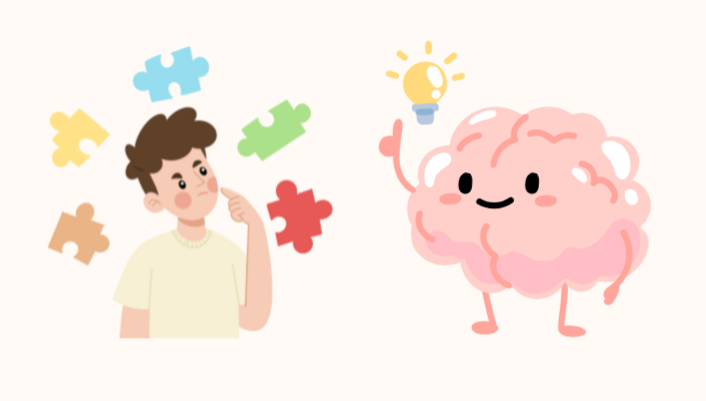
Building Strong Problem-Solving Skills in Kids: A Comprehensive Guide
Problem-solving is a critical skill that helps individuals navigate challenges and make informed decisions. For kids, developing strong problem-solving abilities can lead to academic success, better social interactions, and a greater sense of independence. This article explores the importance of problem-solving skills for children and provides practical strategies for parents and educators to help kids enhance these essential abilities.
The Importance of Problem-Solving Skills
Problem-solving skills are crucial for several reasons:
Academic Success: Problem-solving is at the core of many academic subjects, especially mathematics and science. Children who can think critically and solve problems are better equipped to understand complex concepts and perform well in school.
Social Interactions: Effective problem-solving skills help children navigate social situations, resolve conflicts, and build strong relationships with peers.
Independence: Kids who can solve problems independently are more confident and capable of handling various life situations, from everyday challenges to more significant decisions.
Future Preparedness: As children grow, they will face numerous challenges in their personal and professional lives. Strong problem-solving skills prepare them to tackle these challenges effectively, making them resilient and adaptable adults.
Key Components of Problem-Solving
Before diving into strategies for improving problem-solving skills, it’s essential to understand the key components of problem-solving:
Identification: Recognizing that there is a problem that needs to be solved.
Understanding: Comprehending the nature of the problem and its context.
Ideation: Generating potential solutions or approaches to the problem.
Evaluation: Assessing the feasibility and potential outcomes of each solution.
Implementation: Choosing and executing the best solution.
Reflection: Reviewing the results and learning from the experience to improve future problem-solving efforts.
7 Steps to Help Your Child Grow Strong Problem-Solving Skills
Play problem-solving games together Choose games appropriate for your child’s age—hide-and-seek for little ones, Monopoly for older kids, or challenges like building the tallest tower or the egg-drop test. These fun tasks help children think critically and creatively.
Be a role model When you face a problem, say your thoughts out loud instead of solving it immediately. Show your child your step-by-step thinking. This helps them learn how they might solve problems themselves in the future.
Encourage imagination and trying new ideas Let your child experiment – using blocks, art supplies, or whatever’s at hand. Praise ideas even if they are strange. Creative thinking early on builds confidence and flexibility.
Practice patience and give time Learning to solve tricky problems takes time. Resist rushing in to fix things. Give your child space to think, make mistakes, and come up with a solution in their own way.
Offer several options to choose from When a problem arises, help your child generate a few possible ways to handle it. Discuss pros and cons together. This encourages them to weigh choices and figure out the best fit rather than jumping to the first idea.
Let them try – and sometimes fail Mistakes are powerful teachers. If a solution doesn’t work, it’s okay. Talk about why, what they might try differently, and how to approach it next time. Failing and learning builds resilience. Research shows children who are allowed to experiment tend to develop stronger problem-solving skills.
Invite them to help with decisions Ask for your child’s opinion or help when solving problems in real life. Let them come up with ideas. This makes them feel respected and builds confidence. Sometimes their suggestions surprise you—plus, it gives them practice thinking things through.
Strategies to Improve Problem-Solving Skills in Kids
1. Encourage Curiosity and Exploration
Fostering Curiosity: Encourage children to ask questions about the world around them. Answer their questions thoughtfully and encourage them to explore further. This helps them develop a natural curiosity, which is the foundation of problem-solving.
Explorative Play: Provide opportunities for explorative play, such as building with blocks, playing with puzzles, or engaging in science experiments. These activities stimulate critical thinking and creativity.
2. Teach Critical Thinking
Ask Open-Ended Questions: When discussing problems or situations with children, ask open-ended questions that require more than a yes or no answer. For example, “What do you think would happen if…?” or “How could we solve this problem?”
Encourage Reflection: After completing a task or solving a problem, ask children to reflect on their process. What worked well? What could they do differently next time? Reflection helps solidify learning and improve future problem-solving efforts.
3. Promote Collaborative Problem-Solving
Group Activities: Engage kids in group activities and projects that require teamwork. Collaborative problem-solving helps children learn from others, share ideas, and develop social skills.
Role-Playing: Use role-playing exercises to simulate real-life situations that require problem-solving. This can be particularly effective in teaching social problem-solving skills and conflict resolution.
4. Provide Opportunities for Independent Problem-Solving
Allow Mistakes: Let children make mistakes and learn from them. Resist the urge to step in immediately and solve problems for them. Instead, guide them through the process of finding solutions on their own.
Set Challenges: Give children age-appropriate challenges that require problem-solving. These could be puzzles, brainteasers, or simple tasks like organizing their room. Gradually increase the complexity of the challenges as their skills improve.
5. Integrate Problem-Solving into Everyday Activities
Daily Routines: Incorporate problem-solving into daily routines. For example, ask children to help plan a family outing, solve a household issue, or figure out how to complete a chore more efficiently.
Cooking and Baking: Cooking and baking are excellent ways to teach problem-solving. Following a recipe, measuring ingredients, and adjusting for mistakes all involve critical thinking and decision-making.
6. Use Technology and Games
Educational Apps and Games: There are many educational apps and games designed to improve problem-solving skills. Look for apps that challenge kids to think critically, solve puzzles, and develop strategies.
Coding for Kids: Introducing children to coding can significantly enhance their problem-solving abilities. Coding requires logical thinking, pattern recognition, and persistence—all essential components of problem-solving.
Role of Parents and Educators
Parents
Model Problem-Solving: Children learn by observing adults. Model effective problem-solving by verbalizing your thought process when facing a challenge. For example, “I see that this isn’t working. Let’s think of another way to solve it.”
Encourage Persistence: Praise effort and persistence rather than just the outcome. Let children know that it’s okay to struggle and that perseverance is a valuable part of problem-solving.
Create a Supportive Environment: Foster an environment where children feel safe to take risks and make mistakes. Encourage them to view challenges as opportunities to learn and grow.
Educators
Incorporate Problem-Solving into Curriculum: Integrate problem-solving activities into the curriculum across subjects. Encourage students to work on projects that require critical thinking and creativity.
Use Inquiry-Based Learning: Implement inquiry-based learning where students are encouraged to ask questions, conduct research, and develop solutions to real-world problems. This approach promotes active engagement and deeper understanding.
Provide Feedback: Offer constructive feedback on students’ problem-solving efforts. Highlight their strengths and provide suggestions for improvement. Positive reinforcement and guidance help students build confidence in their problem-solving abilities.
Practical Activities to Enhance Problem-Solving Skills
Puzzle Games: Jigsaw puzzles, Sudoku, and logic puzzles are excellent tools for developing problem-solving skills. These games require children to think critically and strategically.
STEM Projects: Engage kids in science, technology, engineering, and math (STEM) projects. Building models, conducting experiments, and programming robots encourage analytical thinking and innovation.
Storytelling and Creative Writing: Encourage children to create stories or write about how they would solve a particular problem. This activity enhances creativity and helps them think through different scenarios and solutions.
Escape Rooms: Set up a mini escape room at home or in the classroom. Create a series of puzzles and challenges that kids must solve to “escape.” This activity promotes teamwork, critical thinking, and persistence.
Board Games: Board games like chess, Scrabble, and Settlers of Catan require strategic thinking and problem-solving. These games are fun and educational, making them great tools for skill development.
Conclusion
Developing strong problem-solving skills in children is essential for their overall growth and future success. By encouraging curiosity, teaching critical thinking, promoting collaboration, and providing opportunities for independent problem-solving, parents and educators can help kids build these vital skills. Integrating problem-solving into everyday activities and using technology and games can make learning fun and effective. With the right support and guidance, children can become confident problem solvers, ready to tackle any challenge that comes their way.
Incorporating problem-solving skills into the upbringing of children not only prepares them for academic success but also equips them with the tools needed to navigate life’s challenges effectively. By fostering these skills early on, we can help children grow into capable, resilient, and innovative adults.
Our world today is undergoing a rapid technological change. Which raises a very important question for educators and school leaders – how can we prepare our next generation for all the technological surprises the future holds?
Our world today is undergoing a rapid technological change. Which raises a very important question for educators and school leaders – how can we prepare our next generation for all the technological surprises the future holds?
Stay Up To Date on The Latest NEWS AND LEARN MORE ABOUT CODING FOR KIDS.
We use cookies on our website to give you the most relevant experience by remembering your preferences and repeat visits. By clicking “Accept”, you consent to the use of ALL the cookies. However you may visit Cookie Settings to provide a controlled consent.
This website uses cookies to improve your experience while you navigate through the website. Out of these cookies, the cookies that are categorized as necessary are stored on your browser as they are essential for the working of basic functionalities of the website. We also use third-party cookies that help us analyze and understand how you use this website. These cookies will be stored in your browser only with your consent. You also have the option to opt-out of these cookies. But opting out of some of these cookies may have an effect on your browsing experience.
Necessary cookies are absolutely essential for the website to function properly. This category only includes cookies that ensures basic functionalities and security features of the website. These cookies do not store any personal information.
Cookie
Type
Duration
Description
_codemonkey_session_rails_4
1
1 year
_ga
persistent
2 years
This cookie is installed by Google Analytics. The cookie is used to calculate visitor, session, campaign data and keep track of site usage for the site's analytics report. The cookies store information anonymously and assign a randomly generated number to identify unique visitors.
cookielawinfo-checkbox-advertisement
persistent
11 months
The cookie is set by GDPR cookie consent to record the user consent for the cookies in the category "Advertisement".
cookielawinfo-checkbox-analytics
persistent
11 months
This cookies is set by GDPR Cookie Consent WordPress Plugin. The cookie is used to remember the user consent for the cookies under the category "Analytics".
cookielawinfo-checkbox-functional
persistent
11 months
cookielawinfo-checkbox-necessary
persistent
11 months
This cookie is set by GDPR Cookie Consent plugin. The cookies is used to store the user consent for the cookies in the category "Necessary".
cookielawinfo-checkbox-non-necessary
0
11 months
This cookie is set by GDPR Cookie Consent plugin. The cookies is used to store the user consent for the cookies in the category "Non Necessary".
cookielawinfo-checkbox-other
persistent
11 months
cookielawinfo-checkbox-performance
persistent
11 months
This cookie is used to keep track of which cookies the user have approved for this site.
JSESSIONID
1
1 year
Used by sites written in JSP. General purpose platform session cookies that are used to maintain users' state across page requests.
viewed_cookie_policy
persistent
1 hour
The cookie is set by the GDPR Cookie Consent plugin and is used to store whether or not user has consented to the use of cookies. It does not store any personal data.
XSRF-TOKEN
persistent
1 year
The cookie is set by Wix website building platform on Wix website. The cookie is used for security purposes.
Any cookies that may not be particularly necessary for the website to function and is used specifically to collect user personal data via analytics, ads, other embedded contents are termed as non-necessary cookies. It is mandatory to procure user consent prior to running these cookies on your website.
Cookie
Type
Duration
Description
rlas3
persistent
11 months
The cookie is set by rlcdn.com. The cookie is used to serve relevant ads to the visitor as well as limit the time the visitor sees an and also measure the effectiveness of the campaign.
UserMatchHistory
persistent
1 month
Linkedin - Used to track visitors on multiple websites, in order to present relevant advertisement based on the visitor's preferences.
This cookie is set by Google Analytics and is used to distinguish users and sessions. The cookie is created when the JavaScript library executes and there are no existing __utma cookies. The cookie is updated every time data is sent to Google Analytics.
__utmb
persistent
30 minutes
The cookie is set by Google Analytics. The cookie is used to determine new sessions/visits. The cookie is created when the JavaScript library executes and there are no existing __utma cookies. The cookie is updated every time data is sent to Google Analytics.
__utmc
persistent
1 year
The cookie is set by Google Analytics and is deleted when the user closes the browser. The cookie is not used by ga.js. The cookie is used to enable interoperability with urchin.js which is an older version of Google analytics and used in conjunction with the __utmb cookie to determine new sessions/visits.
__utmt
persistent
10 minutes
The cookie is set by Google Analytics and is used to throttle request rate.
__utmz
persistent
6 months
This cookie is set by Google analytics and is used to store the traffic source or campaign through which the visitor reached your site.
_gat
persistent
1 minute
This cookies is installed by Google Universal Analytics to throttle the request rate to limit the colllection of data on high traffic sites.
YSC
1
1 year
This cookies is set by Youtube and is used to track the views of embedded videos.
This cookie is used by Google Analytics to understand user interaction with the website.
_gid
persistent
1 day
This cookie is installed by Google Analytics. The cookie is used to store information of how visitors use a website and helps in creating an analytics report of how the wbsite is doing. The data collected including the number visitors, the source where they have come from, and the pages viisted in an anonymous form.
GPS
persistent
30 minutes
This cookie is set by Youtube and registers a unique ID for tracking users based on their geographical location
MR
persistent
5 months
This cookie is used to measure the use of the website for analytics purposes.
MUIDB
1
1 year
This cookie is used by MicroSoft and collects data about users of visits on multiple website. This data is used to analyze the efficiency of advertisements on websites.
This cookie is set by Facebook to deliver advertisement when they are on Facebook or a digital platform powered by Facebook advertising after visiting this website.
bscookie
1
2 years
This cookie is a browser ID cookie set by Linked share Buttons and ad tags.
fr
1
3 months
The cookie is set by Facebook to show relevant advertisments to the users and measure and improve the advertisements. The cookie also tracks the behavior of the user across the web on sites that have Facebook pixel or Facebook social plugin.
IDE
1
2 years
Used by Google DoubleClick and stores information about how the user uses the website and any other advertisement before visiting the website. This is used to present users with ads that are relevant to them according to the user profile.
MUID
persistent
1 year
Used by Microsoft as a unique identifier. The cookie is set by embedded Microsoft scripts. The purpose of this cookie is to synchronize the ID across many different Microsoft domains to enable user tracking.
pxrc
persistent
2 months
The purpose of the cookie is to identify a visitor to serve relevant advertisement.
rlas3
persistent
11 months
The cookie is set by rlcdn.com. The cookie is used to serve relevant ads to the visitor as well as limit the time the visitor sees an and also measure the effectiveness of the campaign.
skimCSP
persistent
11 months
This cookie is set by SkimResources. The cookie is used to record data on the visitor to optimize the relevance of the advretisements served to the users.
TapAd_DID
persistent
2 months
The cookie is set by tapad.com. The purpose of the cookie is to track users across devices to enable targeted advertising
TapAd_TS
persistent
2 months
The cookie is set by Tapad.com. The purpose of the cookie is to track users across devices to enable targeted advertising.
TDCPM
persistent
1 year
The cookie is set by CloudFare service to store a unique ID to identify a returning users device which then is used for targeted advertising.
TDID
persistent
1 year
The cookie is set by CloudFare service to store a unique ID to identify a returning users device which then is used for targeted advertising.
test_cookie
persistent
15 minutes
This cookie is set by doubleclick.net. The purpose of the cookie is to determine if the users' browser supports cookies.
VISITOR_INFO1_LIVE
1
5 months
This cookie is set by Youtube. Used to track the information of the embedded YouTube videos on a website.