Keren, madre de tres niños en la escuela primaria, comprende la importancia de una educación en informática desde una edad temprana. Ha visto de primera mano que la mejor manera de que los niños retengan conocimientos es divertirse mientras aprenden. Keren trabaja como directora de marketing creativo en CodeMonkey.
La mejor edad para que un niño comience a codificar
With the growth of technology and the demand for tech skills in the job market, more and more parents are considering coding classes for their children. But what is the best age for a child to start coding? Is it too early to introduce coding to young children? Is it too late to start teaching coding to older children?
In this guide for parents, we’ll discuss the different factors to consider when deciding the best age for a child to start coding. We’ll also discuss the benefits of introducing coding to children at an early age and tips and resources for teaching coding to children of any age.
¿Qué es la codificación?
Coding is the language of computers and technology. It’s the language used to write software and applications, create websites and even control robots. Essentially, coding is the instructions written by a programmer to tell a computer what to do. Coding is like learning a foreign language.
Like with any language, you must learn syntax and structure before communicating. However, writing more complex programs is easier once you learn the basics. The same principles apply to coding – once you understand the fundamental concepts, you can build upon them to create more advanced and complex programs.
Children need to start learning to code as early as possible, as it will prepare them for the future and open up opportunities in tech-related fields. In addition, coding is becoming increasingly important in today’s world, and those proficient at it are in high demand. Coding can be used in everyday situations as well. For example, coding can program lights to turn on and off at certain times or create a robot to clean up the house. It helps automate tasks and make processes more efficient. Coding can even be used to program games for children to play!
Learning to code does not necessarily require a deep understanding of complex concepts. Instead, it is more about understanding the basics and using these principles to solve problems. In addition, coding can be done in many different languages, so children can start with something simple like HTML or Scratch and then move on to more complex programming languages.
Cuanto antes mejor
Generally, experts agree that children should be taught how to code at the earliest age possible. All children develop various skills at different rates and with different learning styles. Still, you can generally start teaching the basics of a skill to a child around the age of 5 or 6. Eight-year-olds can learn more advanced coding. The best place to start is by introducing various logical games that simulate the skill of coding. Children can then move on to more demanding exercises.
Several studies have shown that children who code from the beginning of their elementary school education achieve better academic performance throughout their education. When compared to children who don’t engage in coding-related learning, a higher percentage of children who start coding early gain interest in STEM, both in college and professionally.
Otra forma de pensar
Parents are increasingly more interested in preparing theirkids for success and giving them the best possible chance of getting into competitive universities. Although a well-meaning motive, what’s more, beneficial for kids who code is that they will learn how to think logically.
Other aspects of cognition, such as creativity and critical thinking skills are also important and should be taught and practiced. Coding, however, goes a step further to teach children problem-solving, a skill that requires several aspects of cognition firing across multiple cylinders. Not only does problem-solving benefit individuals professionally and academically, but in practical aspects of daily functioning. A child who codes learns how to approach every issue with a solution-oriented mindset.
Often, coding is talked about as something you should pivot towards if you want to be a more competitive candidate for higher education or jobs. However, the most important age group that benefits from learning to code is children. The core principle of coding is tapping into your mentalidad de resolución de problemas. To do so, you need a disciplined and dedicated approach to work. Perhaps the most important aspect of coding from a child’s perspective is learning the core skills of logic and reasoning.
Fixing bugs is another important aspect of coding. When you start a program and see that the result is unexpected, you need to continue researching, exploring, and finding out wherein lies the issue. Going through the program once again, behind the scenes, step-by-step enables kids to trace back logical steps and develop applicable solutions.
Learning how things work behind the scenes
Once children can sort out logical problems to debug programs, children are faced with another challenge: learning how to avoid and prevent future issues in the program. Today, kids are growing up with technology as a crucial part of their everyday lives. From the moment they wake up to the moment they go the sleep, they are deeply submerged in the technological realm. Many parents fear these habits because of tech’s negative association with addiction and behavior changes, but you can never eliminate the technological surroundings of today’s world. More so, children who master technology will see many benefits.
It’s one thing to know how to use a mobile phone or a tablet. Knowing cómo exactly they work and which technological principles are at play is a whole other ballgame. Coding, therefore, helps children realize how processes work “behind the scenes.” By using coding-related software, kids will slowly learn what powers an application, website, or other types of programs. With these knowledge-building blocks, kids will gradually see the bigger picture and learn how to recognize the poor design, faulty apps, and much more. As a result, they will perceive the world around them in a completely different way with an increased sense of power, control, and competency. Kids who code will understand why something doesn’t work in the way that it should, and they will learn what´s happening beneath the surface of daily tech activities.
La codificación como expresión de la creatividad
We all need a balance in our lives of work and creativity. Children especially have a highly-structured school day to maintain classroom management, and so like adults, and perhaps even more so, children need creative outlets to give them a sense of autonomy and increase self-confidence. Children who don’t usually enjoy typical forms of artistic expression such as drawing, writing, or music can meet expressive needs and develop expressive capabilities in coding.
Even as beginners, kids can start creating their owngames, websites, and apps. For children, as well as teens and adults, it’s very important to feel that they have the power to create. This, in turn, will help them build self-confidence around their existing skills and abilities.
Things to Keep in Mind When Teaching Children to Code?
When teaching children to code, it is essential to keep some things in mind. As coding is a complex subject requiring a lot of patience and attention, these five things can help ensure your child’s coding experience is positive.
Empecemos por lo básico
Before you start teaching your child how to code, it is essential to understand the basics of coding. As a parent, it is crucial to understand the fundamentals of coding and programming languages to explain them to your child. Coding is a skill that needs to be developed over time and practice, and starting with the basics will help ensure your child has a good understanding of the subject.
Make It Fun
The best way to ensure your child has an enjoyable coding experience is by making it fun. Incorporating game-like activities into the lessons can make coding more enjoyable for the child. For example, create simple coding games such as “Guess the Color” or “Move the Object” to engage your child’s interest in coding. You can also use stories and role-play activities to help explain coding concepts and make them easier to understand.
Set Realistic Expectations
It is important to set realistic expectations when it comes to teaching your child how to code. However, setting unrealistic expectations can lead to frustration and hinder learning. Instead, allow your child to take their time to learn and understand the concepts. You don’t have to put too much pressure on them. It’s also important to provide positive reinforcement when your child has made progress in understanding the concepts.
Keep them Focused
When teaching children to code, staying focused on the task at hand is important. If your child gets distracted or starts losing interest in coding, it is best to take a break and return later when they are ready to focus again.
Se paciente
Learning to code takes time and effort, so parents and teachers must remain patient. It can be easy to become frustrated if your child is not grasping concepts as quickly as you would like, but patience and encouragement are key in helping them succeed in coding.
Coding can be a great way for children to explore their creativity, hone problem-solving skills and develop an appreciation for technology. By following these five tips, parents can help ensure their child has a successful and enjoyable coding experience.
Coding Resources for Kids
Game-based apps and software are some of the best coding resources for kids. They are fun and engaging and offer kids an excellent opportunity to learn coding at their own pace. Here are some of the best game-based apps and software that can teach kids to code:
CodeMonkey
CodeMonkey is a coding game designed for students ages 8-13. It teaches students how to program in JavaScript and CoffeeScript through a fun and interactive game. This game teaches students basic coding concepts such as looping, functions, conditions, and variables. CodeMonkey also features CódigoMonkey Jr., tailored for kindergartens and younger kids. Kids will also be exposed to other learning resources like its La Hora de Código so students can challenge themselves.
Rasguño
Scratch is a free visual programming language developed by MIT for students aged 8-16. Students can create interactive stories, games and animations by dragging and dropping code blocks. This makes it an ideal tool for introducing kids to coding concepts and problem-solving skills. Additionally, Scratch has a vibrant online community with tons of tutorials and projects that kids can explore.
Kodable
Kodable is an online coding platform for children aged 4-7. It helps kids learn the basics of coding through various fun and interactive activities. The activities involve navigating characters through mazes, collecting gems and more. Kodable also provides opportunities for more advanced coders to create their levels, share them with friends or compete in coding challenges.
Blockly
Blockly is a visual programming language that helps kids learn how to code using blocks instead of text. It’s used in both classrooms and homeschools to teach kids to think like programmers by breaking down coding into smaller chunks. Blockly is designed for learners of all ages, from 6 to 16. In addition, it’s open source, so anyone can contribute to its development or create their versions.
Tynker
Tynker is a comprehensive coding platform for kids aged 8-15. It offers a variety of tools such as tutorials, drag-and-drop programming blocks, pre-built projects and more. Tynker also allows kids to create games, animations, websites and apps. In addition, it has a large library of educational content, including coding challenges and creative courses.
Frequently Asked Questions on the Best Age for Kids To Learn To Code
What is the best age for a child to learn to code?
While kids of all ages can benefit from coding, research has shown that the optimal time to start coding is around 5 or 6. At this age, children are old enough to understand abstract concepts but young enough to be unencumbered by preconceived notions or limited life experience. In addition, starting at this age gives kids the best chance to develop skills in a field that will be increasingly important in the future.
Can a seven years old kid learn to code?
Yes! Seven-year-olds have strong problem-solving and logic skills, which make them well-suited to learning to code. Seven-year-olds may also have already been exposed to computer programs and devices, which can make learning to code easier for them than younger children. With some guidance and patience, seven-year-olds can often begin to grasp more advanced topics such as game development, robotics programming, and web design.
What is the best way to teach kids to code?
The best way to teach children how to code will depend on their age and skill level. For very young children, block coding may be the most effective approach. Block coding involves using visual blocks to represent lines of code, making it much easier for children to comprehend. Text-based coding is usually preferable for older children because it allows them to write code more quickly and efficiently.
Conclusión
The early elementary years are the best age for a child to be introduced to coding. At this time, kids will use the ideal cognitive stage of development to sow seeds for more complex knowledge as they age and grow. The best of the best in coding often started taking an interest and learning to code around age 5 or 6. When children are taught logical-thinking skills and adopt a problem-solving mindset, they will comprehend more complex concepts of coding later in life. Much like a child who learns a language early and does not retain the language, even those children who do not maintain an interest in coding as they age will benefit from the understanding of basic technology concepts that will enhance other learning and be invaluable to their future success.
Nuestro mundo actual está experimentando un rápido cambio tecnológico. Esto plantea una pregunta crucial para educadores y directores escolares: ¿cómo podemos preparar a nuestra próxima generación para todas las sorpresas tecnológicas que nos depara el futuro?
Nuestro mundo actual está experimentando un rápido cambio tecnológico. Esto plantea una pregunta crucial para educadores y directores escolares: ¿cómo podemos preparar a nuestra próxima generación para todas las sorpresas tecnológicas que nos depara el futuro?
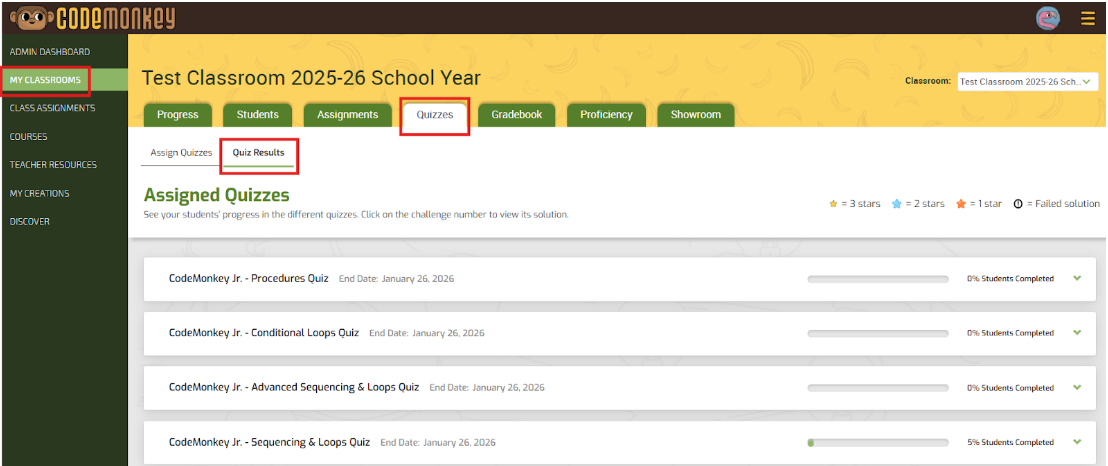
¡Hemos añadido cuestionarios a nuestra biblioteca dirigidos a nuestros prelectores con CodeMonkey Jr.! Hay un cuestionario para cada concepto de programación.
Tabla de contenido
2 opiniones en “The Best Age for a Child to Start Coding”
¡Gracias por el artículo! Pero, ¿debería obligar a mi hijo a codificar si es bueno en esto, pero pierde interés en tareas similares?
Si a su hijo le gusta algo, generalmente se recomienda que deje que explore este interés más a fondo. Sin embargo, también se recomienda tener una variedad de intereses y, por lo tanto, es importante encontrar formas de conectar este interés con otros.
Manténgase al día sobre las últimas noticias Y MÁS INFORMACIÓN SOBRE CODIFICACIÓN PARA NIÑOS.
Usamos cookies en nuestro sitio web para brindarle la experiencia más relevante recordando sus preferencias y visitas. Al hacer clic en "Aceptar", acepta el uso de TODAS las cookies. Sin embargo, puede visitar la Configuración de cookies para proporcionar un consentimiento controlado.
Política de privacidad y cookies
Resumen de privacidad
Este sitio web utiliza cookies para mejorar su experiencia mientras navega por el sitio web. Fuera de estas cookies, las cookies que se clasifican como necesarias se almacenan en su navegador, ya que son esenciales para el funcionamiento de las funcionalidades básicas del sitio web. También utilizamos cookies de terceros que nos ayudan a analizar y comprender cómo utiliza este sitio web. Estas cookies se almacenarán en su navegador solo con su consentimiento. También tiene la opción de optar por no recibir estas cookies. Pero la exclusión voluntaria de algunas de estas cookies puede afectar su experiencia de navegación.
Las cookies necesarias son absolutamente esenciales para que el sitio web funcione correctamente. Esta categoría solo incluye cookies que garantizan funcionalidades básicas y características de seguridad del sitio web. Estas cookies no almacenan ninguna información personal.
Galleta
Tipo
Duración
Descripción
_codemonkey_session_rails_4
1
1 año
_Georgia
persistente
2 años
Esta cookie es instalada por Google Analytics. La cookie se utiliza para calcular los datos de visitantes, sesiones y campañas y realizar un seguimiento del uso del sitio para el informe de análisis del sitio. Las cookies almacenan información de forma anónima y asignan un número generado aleatoriamente para identificar visitantes únicos.
cookielawinfo-checkbox-publicidad
persistente
11 meses
La cookie se establece mediante el consentimiento de cookies del RGPD para registrar el consentimiento del usuario para las cookies en la categoría "Publicidad".
cookielawinfo-checkbox-analytics
persistente
11 meses
Estas cookies están establecidas por el complemento de WordPress de consentimiento de cookies de GDPR. La cookie se utiliza para recordar el consentimiento del usuario para las cookies en la categoría "Análisis".
cookielawinfo-checkbox-funcional
persistente
11 meses
cookielawinfo-checkbox-required
persistente
11 meses
Esta cookie está configurada por el complemento de consentimiento de cookies de GDPR. Las cookies se utilizan para almacenar el consentimiento del usuario para las cookies en la categoría "Necesarias".
cookielawinfo-checkbox-no necesario
0
11 meses
Esta cookie está configurada por el complemento de consentimiento de cookies de GDPR. Las cookies se utilizan para almacenar el consentimiento del usuario para las cookies en la categoría "No necesarias".
cookielawinfo-checkbox-otro
persistente
11 meses
cookielawinfo-checkbox-performance
persistente
11 meses
Esta cookie se utiliza para realizar un seguimiento de las cookies que el usuario ha aprobado para este sitio.
JSESSIONID
1
1 año
Utilizado por sitios escritos en JSP. Cookies de sesión de plataforma de propósito general que se utilizan para mantener el estado de los usuarios en las solicitudes de página.
view_cookie_policy
persistente
1 hora
La cookie está configurada por el complemento de consentimiento de cookies de GDPR y se utiliza para almacenar si el usuario ha dado su consentimiento o no para el uso de cookies. No almacena ningún dato personal.
XSRF-TOKEN
persistente
1 año
La cookie la establece la plataforma de creación de sitios web de Wix en el sitio web de Wix. La cookie se utiliza con fines de seguridad.
Las cookies que pueden no ser particularmente necesarias para que el sitio web funcione y se utilizan específicamente para recopilar datos personales del usuario a través de análisis, anuncios y otros contenidos integrados se denominan cookies no necesarias. Es obligatorio obtener el consentimiento del usuario antes de ejecutar estas cookies en su sitio web.
Galleta
Tipo
Duración
Descripción
rlas3
persistente
11 meses
La cookie la establece rlcdn.com. La cookie se utiliza para mostrar anuncios relevantes al visitante, así como para limitar el tiempo que el visitante ve una y también para medir la efectividad de la campaña.
UserMatchHistory
persistente
1 mes
Linkedin: se utiliza para rastrear a los visitantes en múltiples sitios web, con el fin de presentar anuncios relevantes según las preferencias del visitante.
Google Analytics establece esta cookie y se utiliza para distinguir usuarios y sesiones. La cookie se crea cuando se ejecuta la biblioteca JavaScript y no existen cookies __utma. La cookie se actualiza cada vez que se envían datos a Google Analytics.
__utmb
persistente
30 minutos
Google Analytics establece la cookie. La cookie se utiliza para determinar nuevas sesiones / visitas. La cookie se crea cuando se ejecuta la biblioteca JavaScript y no existen cookies __utma. La cookie se actualiza cada vez que se envían datos a Google Analytics.
__utmc
persistente
1 año
Google Analytics establece la cookie y se elimina cuando el usuario cierra el navegador. La cookie no es utilizada por ga.js. La cookie se utiliza para permitir la interoperabilidad con urchin.js, que es una versión anterior de Google Analytics y se utiliza junto con la cookie __utmb para determinar nuevas sesiones / visitas.
__utmt
persistente
10 minutos
Google Analytics establece la cookie y se utiliza para acelerar la tasa de solicitud.
__utmz
persistente
6 meses
Google Analytics establece esta cookie y se utiliza para almacenar la fuente de tráfico o la campaña a través de la cual el visitante llegó a su sitio.
_revólver
persistente
1 minuto
Google Universal Analytics instala estas cookies para acelerar la tasa de solicitud y limitar la recopilación de datos en sitios de alto tráfico.
YSC
1
1 año
Estas cookies son establecidas por Youtube y se utilizan para rastrear las vistas de videos incrustados.
Google Analytics utiliza esta cookie para comprender la interacción del usuario con el sitio web.
_gid
persistente
1 día
Esta cookie es instalada por Google Analytics. La cookie se utiliza para almacenar información sobre cómo los visitantes usan un sitio web y ayuda a crear un informe analítico de cómo está funcionando el sitio web. Los datos recopilados, incluido el número de visitantes, la fuente de donde provienen y las páginas, se muestran de forma anónima.
GPS
persistente
30 minutos
Esta cookie la establece Youtube y registra una identificación única para rastrear a los usuarios según su ubicación geográfica.
SEÑOR
persistente
5 meses
Esta cookie se utiliza para medir el uso del sitio web con fines analíticos.
MUIDB
1
1 año
MicroSoft utiliza esta cookie y recopila datos sobre los usuarios que visitan varios sitios web. Estos datos se utilizan para analizar la eficacia de los anuncios en sitios web.
Facebook establece esta cookie para entregar publicidad cuando están en Facebook o en una plataforma digital impulsada por publicidad de Facebook después de visitar este sitio web.
bscookie
1
2 años
Esta cookie es una cookie de identificación del navegador establecida por los botones de compartir vinculados y las etiquetas publicitarias.
fr
1
3 meses
Facebook configura la cookie para mostrar anuncios relevantes a los usuarios y medir y mejorar los anuncios. La cookie también rastrea el comportamiento del usuario en la web en sitios que tienen píxeles de Facebook o complementos sociales de Facebook.
IDE
1
2 años
Utilizado por Google DoubleClick y almacena información sobre cómo el usuario utiliza el sitio web y cualquier otro anuncio antes de visitar el sitio web. Se utiliza para presentar a los usuarios anuncios que son relevantes para ellos de acuerdo con el perfil del usuario.
MUID
persistente
1 año
Usado por Microsoft como identificador único. La cookie se establece mediante scripts integrados de Microsoft. El propósito de esta cookie es sincronizar la identificación en muchos dominios de Microsoft diferentes para permitir el seguimiento de usuarios.
pxrc
persistente
2 meses
El propósito de la cookie es identificar a un visitante para ofrecer publicidad relevante.
rlas3
persistente
11 meses
La cookie la establece rlcdn.com. La cookie se utiliza para mostrar anuncios relevantes al visitante, así como para limitar el tiempo que el visitante ve una y también para medir la efectividad de la campaña.
skimCSP
persistente
11 meses
SkimResources establece esta cookie. La cookie se utiliza para registrar datos sobre el visitante con el fin de optimizar la relevancia de las ventajas que se ofrecen a los usuarios.
TapAd_DID
persistente
2 meses
La cookie la coloca tapad.com. El propósito de la cookie es rastrear a los usuarios en todos los dispositivos para permitir publicidad dirigida
TapAd_TS
persistente
2 meses
Tapad.com establece la cookie. El propósito de la cookie es rastrear a los usuarios en todos los dispositivos para permitir publicidad dirigida.
TDCPM
persistente
1 año
El servicio CloudFare configura la cookie para almacenar una identificación única para identificar un dispositivo de usuarios recurrentes que luego se utiliza para publicidad dirigida.
TDID
persistente
1 año
El servicio CloudFare configura la cookie para almacenar una identificación única para identificar un dispositivo de usuarios recurrentes que luego se utiliza para publicidad dirigida.
test_cookie
persistente
15 minutos
Esta cookie la establece doubleclick.net. El propósito de la cookie es determinar si el navegador de los usuarios admite cookies.
VISITOR_INFO1_LIVE
1
5 meses
Youtube establece esta cookie. Se utiliza para rastrear la información de los videos de YouTube incrustados en un sitio web.
Esta cookie está configurada por linkedIn. El propósito de la cookie es habilitar las funcionalidades de LinkedIn en la página.
lang
persistente
1 año
Esta cookie se utiliza para almacenar las preferencias de idioma de un usuario para ofrecer contenido en ese idioma almacenado la próxima vez que el usuario visite el sitio web.
lidc
persistente
1 día
LinkedIn establece esta cookie y la utiliza para el enrutamiento.