Vitaly es el Gerente de Marketing Digital en CodeMonkey. Su maestría en Informática, combinada con su experiencia como padre de dos hijos, le permite crear contenido enfocado en la formación en programación.
JavaScript is a powerful programming language for creating interactive websites and web applications.
Brendan Eich originally developed JavaScript in 1995, but it wasn’t until ten years later that it became widely used.
However, JavaScript can be tough to learn for kids. That’s why we’ve put together this guide on how to teach JavaScript to kids.
With this guide, you’ll learn basic tips on introducing JavaScript to kids and more advanced concepts they can use to create their web projects.
By the end of this guide, you’ll have a strong foundation of what Javascript entails, why kids should invest their time into learning this programming language, and how it can benefit them in our world today.
So let’s get started!
What is JavaScript?
JavaScript is a programming language used on the client side of web applications. It allows developers to write code that performs actions and interacts with the user without reloading the page.
JavaScript can be used for basic tasks like changing the color of an element, but it can also be combined with other languages, such as HTML and CSS, to create more complex effects and animations.
JavaScript can add text dynamically, create interactive content by manipulating elements on the screen and update information in real time.
The syntax includes curly brackets and semicolons, which must be present after every line to execute the program correctly.
Simply put, JavaScript is most typically employed to enhance the interactivity of web pages and applications.
Why Should Kids Learn JavaScript
There are numerous reasons children should learn to write in JavaScript, but most have nothing to do with your child’s eventual job choice.
While studying JavaScript can surely spark an interest that could lead to a career, there are numerous reasons your child should learn JavaScript, but highlighted below are a few things they benefit from.
Resolución de problemas
Learning to think logically and solve problems will help them not only on tests but also in life as they grow up. They’ll be able to come up with creative solutions to challenges they may face, which is invaluable later in life. It’s important to note that problem-solving isn’t just about math and logic- it helps with empathy toward others.
Logical Reasoning
Programming teaches logic, one of the most important skills a child should have today. With so many social media and video games at their fingertips, it is up to them to analyze and make decisions based on what they see before them. Learning JavaScript will prepare your child and improve their thinking faculty.
Perseverancia
Learning to code with JavaScript will encourage your child to try new things, be persistent and keep going even when it’s tough. Yes, this is because, at one point in time, they will be pushed against the wall with challenges when learning to code, which teaches them perseverance without knowing it.
Desarrollo web
If your kid already has some background in coding, JavaScript provides them with a valuable tool, particularly for web development. Everyone ignores a static website eventually because it becomes boring. JavaScript enables children to develop interactive websites that are more appealing to visitors and more enjoyable to create.
Teaching children how to program websites opens them to a world of possibilities, such as helping people find employment or building their brand.
What Age Can Kids Learn JavaScript?
Children as young as eight years can begin learning JavaScript. Coding is like learning a second language; studies have shown that younger children are more proficient at learning new languages.
Because this is a text-based programming language, typing abilities are essential. If your kid has good typing abilities, JavaScript is an excellent language to learn.
When teaching coding to elementary school students, it’s critical to focus on the fundamentals of JavaScript, such as variables, loops, and functions. The syntax is highly relevant for this age range because they have to understand the rules for accurately typing JavaScript. Children aged 8-10 may use JavaScript basics to construct animated games or interactive web pages.
Middle School Students
As they mature into middle school, they can move to more advanced topics, such as how to create GUIs (graphical user interfaces) using JavaFX. Basic HTML skills will also come in handy, so teaching them both HTML and JavaScript in tandem will be great. One great way to do this would be by having them build a basic website from scratch.
High School Students
In addition to learning the principles of JavaScript, high school students may begin to use libraries like jQuery to make games and webpages more interactive without having to code everything from scratch. Children in high school can also learn about APIs, allowing applications to communicate with one another.
Common JavaScript Terms
Existen several terminologies and unique words in JavaScript. Learning these terms will assist your youngster in expanding and understanding the JavaScript framework.
When first learning JavaScript, children should be exposed to the following terms:
Script
A script is a word used to refer to an instruction or set of instructions. Scripts are commonly used in JavaScript programming, although scripts can be written in many other computer languages.
A script can contain any combination of text and executable code.
Funciones
These are blocks of code that execute a specific task. The name of the function specifies what tasks it performs.
Parentheses () after the function’s name indicate that one or more parameters (including data types, numbers, and strings) need to be provided for the function to execute successfully.
Class
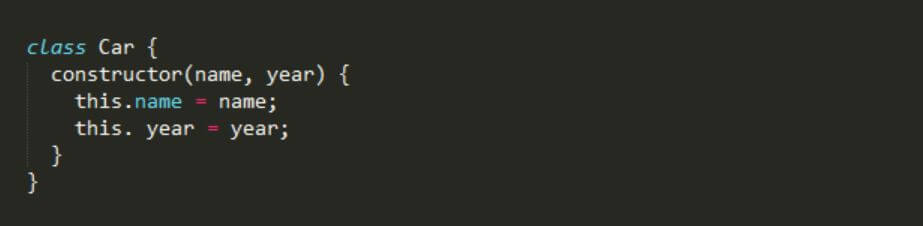
In JavaScript, a class is a group of functions that belong to the same category. Objects in JavaScript can also be created with classes.
To create a new class, use the keyword class followed by a name for the new object.
Condicionales
Conditional statements allow you to execute different blocks of code depending on certain conditions.
The format for a conditional statement is if (condition) brackets. The condition is always evaluated as either true or false.
Scope
A scope is a location where variables can be accessed. For example, within the scope of a function, local variables can only be seen from inside that particular function.
However, outside of the function, those variables can still be referenced, but they must have parentheses around them.
Array
This is a data structure that holds lists of items. Each list item is called an element, and each element has its index number.
The indices start at 0 and go up until the last index is found.
Console
Within JavaScript, a built-in console allows us to write messages and see the output.
If we want to add additional information to our message, we can enclose this information within square brackets.
Easy Ways Kids Can Learn JavaScript
Kids are natural learners. They love technology and exploring the world around them. Teaching kids how to code is an excellent way to help nurture their natural curiosity.
The internet is brimming with ideas and tools to assist new developers in learning JavaScript. Below are some easy resources and tools kids can learn JavaScript from without a hassle.
Games And Apps
Learning about JavaScript doesn’t have to be difficult! There are lots of games, apps, and websites that make coding simple for beginners. Besides, JavaScript is a programming language used in game development, so learning through games or software like CodeCombat or CodeMonkey is a perfect fit.
Online or Direct Classes
More than ever, parents can use many different methods to teach kids how to code. If you are looking for more hands-on ways to teach kids how to code, consider taking them to an online or in-person JavaScript class.
Projects
Many children learn best by practical, so choosing a small JavaScript project they can undertake and master is a good alternative. When selecting a project, remember to consider your child’s past coding experience if they have any prior experience. Beginners should begin with a lesson that takes them through each step. Kids with some background can try a project with more general instructions.
Libros
When it pertains to books that can teach JavaScript, there are several possibilities. Books not only teach coding ideas without additional screen time but are also easy to refer to repeatedly. This is also a good alternative for children who understand things better when delivered on a printed page rather than a screen.
JavaScript Libraries
JavaScript libraries are code snippets that have been prewritten for many uses. These libraries aid in the performance of the function, allowing for speedier development. Furthermore, it decreases the likelihood of a human mistake. The following JavaScript libraries are the popular types children should be family with as they learn the programming language.
Angular: It is a structural framework for dynamic web apps. It provides data-binding and change-detection features that allow you to use HTML as your template language. You can also extend HTML syntax to succinctly express your application’s components.
JQuery: JQuery is a fast and detailed JavaScript library. It carries out HTML document manipulation, and animation effects, etc., very simple with an intuitive API that works across many browsers.
Parsley: Parsley is another structured framework for developing rich interactive applications on the web. Similar to Angular, Parsley allows developers to use it as the programming language.
QUnit: QUnit is a powerful, easy-to-use, and well-maintained JavaScript unit testing framework. Such projects use QUnit as jQuery and jQuery UI.
Other includes:
React
Ember.js
Node.js
Conclusión
The web is a dynamic and ever-changing place. Users interact with each other and sites differently than they did a few years ago, and technology continues to advance.
There’s always something new to learn. Kids need opportunities that keep their skills relevant for the future. That’s where JavaScript comes in!
Nuestro mundo actual está experimentando un rápido cambio tecnológico. Esto plantea una pregunta crucial para educadores y directores escolares: ¿cómo podemos preparar a nuestra próxima generación para todas las sorpresas tecnológicas que nos depara el futuro?
Nuestro mundo actual está experimentando un rápido cambio tecnológico. Esto plantea una pregunta crucial para educadores y directores escolares: ¿cómo podemos preparar a nuestra próxima generación para todas las sorpresas tecnológicas que nos depara el futuro?
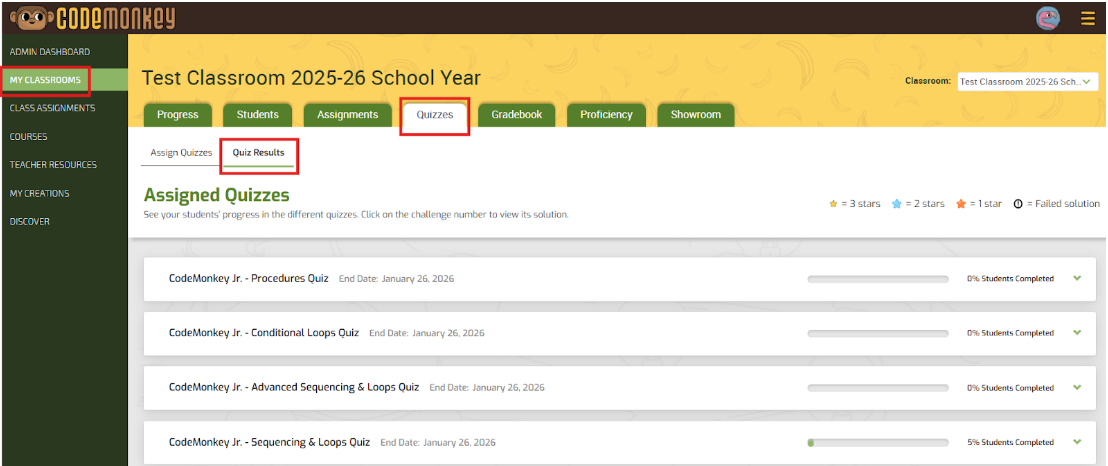
¡Hemos añadido cuestionarios a nuestra biblioteca dirigidos a nuestros prelectores con CodeMonkey Jr.! Hay un cuestionario para cada concepto de programación.
Manténgase al día sobre las últimas noticias Y MÁS INFORMACIÓN SOBRE CODIFICACIÓN PARA NIÑOS.
Usamos cookies en nuestro sitio web para brindarle la experiencia más relevante recordando sus preferencias y visitas. Al hacer clic en "Aceptar", acepta el uso de TODAS las cookies. Sin embargo, puede visitar la Configuración de cookies para proporcionar un consentimiento controlado.
Política de privacidad y cookies
Resumen de privacidad
Este sitio web utiliza cookies para mejorar su experiencia mientras navega por el sitio web. Fuera de estas cookies, las cookies que se clasifican como necesarias se almacenan en su navegador, ya que son esenciales para el funcionamiento de las funcionalidades básicas del sitio web. También utilizamos cookies de terceros que nos ayudan a analizar y comprender cómo utiliza este sitio web. Estas cookies se almacenarán en su navegador solo con su consentimiento. También tiene la opción de optar por no recibir estas cookies. Pero la exclusión voluntaria de algunas de estas cookies puede afectar su experiencia de navegación.
Las cookies necesarias son absolutamente esenciales para que el sitio web funcione correctamente. Esta categoría solo incluye cookies que garantizan funcionalidades básicas y características de seguridad del sitio web. Estas cookies no almacenan ninguna información personal.
Galleta
Tipo
Duración
Descripción
_codemonkey_session_rails_4
1
1 año
_Georgia
persistente
2 años
Esta cookie es instalada por Google Analytics. La cookie se utiliza para calcular los datos de visitantes, sesiones y campañas y realizar un seguimiento del uso del sitio para el informe de análisis del sitio. Las cookies almacenan información de forma anónima y asignan un número generado aleatoriamente para identificar visitantes únicos.
cookielawinfo-checkbox-publicidad
persistente
11 meses
La cookie se establece mediante el consentimiento de cookies del RGPD para registrar el consentimiento del usuario para las cookies en la categoría "Publicidad".
cookielawinfo-checkbox-analytics
persistente
11 meses
Estas cookies están establecidas por el complemento de WordPress de consentimiento de cookies de GDPR. La cookie se utiliza para recordar el consentimiento del usuario para las cookies en la categoría "Análisis".
cookielawinfo-checkbox-funcional
persistente
11 meses
cookielawinfo-checkbox-required
persistente
11 meses
Esta cookie está configurada por el complemento de consentimiento de cookies de GDPR. Las cookies se utilizan para almacenar el consentimiento del usuario para las cookies en la categoría "Necesarias".
cookielawinfo-checkbox-no necesario
0
11 meses
Esta cookie está configurada por el complemento de consentimiento de cookies de GDPR. Las cookies se utilizan para almacenar el consentimiento del usuario para las cookies en la categoría "No necesarias".
cookielawinfo-checkbox-otro
persistente
11 meses
cookielawinfo-checkbox-performance
persistente
11 meses
Esta cookie se utiliza para realizar un seguimiento de las cookies que el usuario ha aprobado para este sitio.
JSESSIONID
1
1 año
Utilizado por sitios escritos en JSP. Cookies de sesión de plataforma de propósito general que se utilizan para mantener el estado de los usuarios en las solicitudes de página.
view_cookie_policy
persistente
1 hora
La cookie está configurada por el complemento de consentimiento de cookies de GDPR y se utiliza para almacenar si el usuario ha dado su consentimiento o no para el uso de cookies. No almacena ningún dato personal.
XSRF-TOKEN
persistente
1 año
La cookie la establece la plataforma de creación de sitios web de Wix en el sitio web de Wix. La cookie se utiliza con fines de seguridad.
Las cookies que pueden no ser particularmente necesarias para que el sitio web funcione y se utilizan específicamente para recopilar datos personales del usuario a través de análisis, anuncios y otros contenidos integrados se denominan cookies no necesarias. Es obligatorio obtener el consentimiento del usuario antes de ejecutar estas cookies en su sitio web.
Galleta
Tipo
Duración
Descripción
rlas3
persistente
11 meses
La cookie la establece rlcdn.com. La cookie se utiliza para mostrar anuncios relevantes al visitante, así como para limitar el tiempo que el visitante ve una y también para medir la efectividad de la campaña.
UserMatchHistory
persistente
1 mes
Linkedin: se utiliza para rastrear a los visitantes en múltiples sitios web, con el fin de presentar anuncios relevantes según las preferencias del visitante.
Google Analytics establece esta cookie y se utiliza para distinguir usuarios y sesiones. La cookie se crea cuando se ejecuta la biblioteca JavaScript y no existen cookies __utma. La cookie se actualiza cada vez que se envían datos a Google Analytics.
__utmb
persistente
30 minutos
Google Analytics establece la cookie. La cookie se utiliza para determinar nuevas sesiones / visitas. La cookie se crea cuando se ejecuta la biblioteca JavaScript y no existen cookies __utma. La cookie se actualiza cada vez que se envían datos a Google Analytics.
__utmc
persistente
1 año
Google Analytics establece la cookie y se elimina cuando el usuario cierra el navegador. La cookie no es utilizada por ga.js. La cookie se utiliza para permitir la interoperabilidad con urchin.js, que es una versión anterior de Google Analytics y se utiliza junto con la cookie __utmb para determinar nuevas sesiones / visitas.
__utmt
persistente
10 minutos
Google Analytics establece la cookie y se utiliza para acelerar la tasa de solicitud.
__utmz
persistente
6 meses
Google Analytics establece esta cookie y se utiliza para almacenar la fuente de tráfico o la campaña a través de la cual el visitante llegó a su sitio.
_revólver
persistente
1 minuto
Google Universal Analytics instala estas cookies para acelerar la tasa de solicitud y limitar la recopilación de datos en sitios de alto tráfico.
YSC
1
1 año
Estas cookies son establecidas por Youtube y se utilizan para rastrear las vistas de videos incrustados.
Google Analytics utiliza esta cookie para comprender la interacción del usuario con el sitio web.
_gid
persistente
1 día
Esta cookie es instalada por Google Analytics. La cookie se utiliza para almacenar información sobre cómo los visitantes usan un sitio web y ayuda a crear un informe analítico de cómo está funcionando el sitio web. Los datos recopilados, incluido el número de visitantes, la fuente de donde provienen y las páginas, se muestran de forma anónima.
GPS
persistente
30 minutos
Esta cookie la establece Youtube y registra una identificación única para rastrear a los usuarios según su ubicación geográfica.
SEÑOR
persistente
5 meses
Esta cookie se utiliza para medir el uso del sitio web con fines analíticos.
MUIDB
1
1 año
MicroSoft utiliza esta cookie y recopila datos sobre los usuarios que visitan varios sitios web. Estos datos se utilizan para analizar la eficacia de los anuncios en sitios web.
Facebook establece esta cookie para entregar publicidad cuando están en Facebook o en una plataforma digital impulsada por publicidad de Facebook después de visitar este sitio web.
bscookie
1
2 años
Esta cookie es una cookie de identificación del navegador establecida por los botones de compartir vinculados y las etiquetas publicitarias.
fr
1
3 meses
Facebook configura la cookie para mostrar anuncios relevantes a los usuarios y medir y mejorar los anuncios. La cookie también rastrea el comportamiento del usuario en la web en sitios que tienen píxeles de Facebook o complementos sociales de Facebook.
IDE
1
2 años
Utilizado por Google DoubleClick y almacena información sobre cómo el usuario utiliza el sitio web y cualquier otro anuncio antes de visitar el sitio web. Se utiliza para presentar a los usuarios anuncios que son relevantes para ellos de acuerdo con el perfil del usuario.
MUID
persistente
1 año
Usado por Microsoft como identificador único. La cookie se establece mediante scripts integrados de Microsoft. El propósito de esta cookie es sincronizar la identificación en muchos dominios de Microsoft diferentes para permitir el seguimiento de usuarios.
pxrc
persistente
2 meses
El propósito de la cookie es identificar a un visitante para ofrecer publicidad relevante.
rlas3
persistente
11 meses
La cookie la establece rlcdn.com. La cookie se utiliza para mostrar anuncios relevantes al visitante, así como para limitar el tiempo que el visitante ve una y también para medir la efectividad de la campaña.
skimCSP
persistente
11 meses
SkimResources establece esta cookie. La cookie se utiliza para registrar datos sobre el visitante con el fin de optimizar la relevancia de las ventajas que se ofrecen a los usuarios.
TapAd_DID
persistente
2 meses
La cookie la coloca tapad.com. El propósito de la cookie es rastrear a los usuarios en todos los dispositivos para permitir publicidad dirigida
TapAd_TS
persistente
2 meses
Tapad.com establece la cookie. El propósito de la cookie es rastrear a los usuarios en todos los dispositivos para permitir publicidad dirigida.
TDCPM
persistente
1 año
El servicio CloudFare configura la cookie para almacenar una identificación única para identificar un dispositivo de usuarios recurrentes que luego se utiliza para publicidad dirigida.
TDID
persistente
1 año
El servicio CloudFare configura la cookie para almacenar una identificación única para identificar un dispositivo de usuarios recurrentes que luego se utiliza para publicidad dirigida.
test_cookie
persistente
15 minutos
Esta cookie la establece doubleclick.net. El propósito de la cookie es determinar si el navegador de los usuarios admite cookies.
VISITOR_INFO1_LIVE
1
5 meses
Youtube establece esta cookie. Se utiliza para rastrear la información de los videos de YouTube incrustados en un sitio web.
Esta cookie está configurada por linkedIn. El propósito de la cookie es habilitar las funcionalidades de LinkedIn en la página.
lang
persistente
1 año
Esta cookie se utiliza para almacenar las preferencias de idioma de un usuario para ofrecer contenido en ese idioma almacenado la próxima vez que el usuario visite el sitio web.
lidc
persistente
1 día
LinkedIn establece esta cookie y la utiliza para el enrutamiento.