Vitaly es el Gerente de Marketing Digital en CodeMonkey. Su maestría en Informática, combinada con su experiencia como padre de dos hijos, le permite crear contenido enfocado en la formación en programación.
With back-to-school fast approaching, parents will no doubt be thinking about which extra-curricular activities to enrol their children in. While there are ample opportunities vying for prominence within an already action-packed week, we unpick the reasons why you should consider a coding club and how to choose the best one for you and your child. Continue reading to find out more about why your child should learn to code, the different types of coding clubs, guidance on what you should look for in a coding club and much more.
Why should my child learn code?
For many parents, coding has long since been seen as something almost ‘space-age’ and not necessarily a skill for preparing children for future careers. Many older generations still consider it as just ‘playing around’ on computers. However, this could not be further from the truth! Coding is a significant aspect of the fundamental PROVENIR subjects (the acronym used for Science, Technology, Engineering and Maths). While coding is most commonly associated with the T – Technology – it actually spans across all elements of STEM.
Teaching code is now part of most children’s curriculums at school; in fact, the UK is the first country to mandate teaching code to primary and secondary school children. Coding also provides muchos ways to refine essential skills for any profession, let alone careers in software development and the wider IT sector. Among other things, coding can help your child improve their problem-solving skills, enhance creativity, boost confidence, and nurture collaboration, whilst developing persistence and resilience. Find out more about why your child should learn code and why coding is far more valuable than you might have previously thought!
Still, need more convincing? According to the US Bureau of Statistics, software developer roles are expected to grow by 26% over the next ten years – far above the average for other occupations (5%). Moreover, in the UK, the government is actively seeking to ensure a ‘high-skilled STEM workforce’ to deliver its ‘science superpower ambitions’.
What are the different types of coding clubs?
There are 3 main types of coding clubs: online, in-person at school and in-person elsewhere. Primarily, you will find online coding clubs and in-person coding clubs run through your child’s school. In-person coding clubs outside of school do exist, though they are less common. While most homes have access to the Internet and computers/tablets, this is not the case for all; finding an in-person coding club will be essential for some families. Discover more about each type of coding club below.
Online coding club
This type of coding club is most prominent due to the ease with which it can be facilitated. Since attendance is virtual, an online club will provide much more flexibility in terms of time and location. You will also have a wider range of choices when looking at online clubs since they can be based anywhere in the world (allowing for a wider pool of talent from which to draw). Furthermore, an online club will allow your child to learn at their own pace. Many online clubs even offer live classes, online mentors and personalised feedback, all of which will enhance your child’s experience and provide you with excellent value. These clubs will likely be the most up-to-date with current technologies and are predominantly run by experts in the coding field.
In-person coding club – at school
If you’re fortunate, many schools host their own coding clubs after school or during the lunch hour. Usually, these clubs will be facilitated by teachers who have a good understanding of coding. However, such clubs are often limited by school budgets, the range of programmes available, and the possibility of dated programmes/technologies. One major benefit of an at-school coding club is the setting. Many children find it difficult to return home after a long day at school, only to be asked to either continue studying online or travel elsewhere for more learning – even when the learning is as fun as coding! When in their own school setting, children are familiar with the expectations, routines and procedures allowing them to focus on what they’re there to do – learn! Another silver lining to an in-school coding club? If clubs are held after school, this allows parents a bit more time at their own place of work or at home!
In-person coding club – outside of school
These coding clubs are trickier to find but they do exist! Sometimes they are held at other schools or local libraries. Some locations even run coding summer camps, which immerse children into the world of coding, alongside other types of STEM learning. The benefit of an in-person coding club outside of school is that your child will be interacting with different adults (some of whom will be experts in coding) and children who likely share similar interests. However, an in-person coding club will depend on parents ferrying their children to and from the club, as well as being specific in time and place, which may not align with your schedule.
What should I look for in a coding club?
Once you have selected which type of coding club is best suited to you and your child, you now will need to select the club itself that is right for your child. You will also want to consider which type of lenguaje de codificación you want your child to learn, particularly as your child becomes more skilled in coding.
If the coding club you have selected is online, sit with your child and test out the available software/platforms. Many online clubs offer free trials so you can see what suits you and your child best. If you decide to go the online coding club route, ensure you (or a responsible adult) are always in the room whilst your child is engaging in the class/learning. You don’t have to be constantly hovering over your child’s shoulder monitoring their activity; for safety reasons it’s always good to have an idea of what your child is doing when using any online technology. If the online course involves live chats/tuition, it’s best to research who the teachers are and their relevant qualifications.
In-person coding clubs at school will ensure that any individual employed on the school premises will have proven their suitability to work there (e.g. criminal history/DBS checks). More often than not, coding clubs held at your child’s school will be run by a member of staff who either specialises in coding or has an interest in it. Find out from the school which coding programme(s) will be used, which coding language(s) the children will be learning and in what ways the club will enhance your child’s current ICT curriculum.
In-person coding clubs held outside of school may require a bit more scrutiny to ensure the safety of your child, as well as the suitability of the instructors. First of all, ask to meet with the instructors/supervisors and discuss any safety concerns you may have. At this meeting, you can also find out what the qualifications of the instructors are. If you’re still undecided, ask if you can attend one of the sessions and speak to other parents before you enrol your child. As above, find out which coding programme(s) will be used and which coding language(s) will be taught. Keep in mind, that you may be required to stay for the duration of a club that is held outside of your child’s school.
How much do coding clubs cost?
With the rising cost of living, additional tuition fees will be a significant factor for most families when choosing a coding club for their child. Coding club fees will vary greatly and will depend upon the instructor’s experience, as well as location. As mentioned earlier, many online coding clubs have free trials, offering an excellent way to gain insight before committing to a fee (which is usually monthly or annually). That being said, most online coding clubs are very reasonably priced as they don’t have the overhead costs associated with a club that requires a physical location. Most coding clubs run by schools will be free of charge, though some may have a small fee per week to supplement the cost of coding programme subscriptions.
How do I find a coding club near me?
No matter the type of coding club that you have chosen, the easiest way to find one is by searching the Internet. If you’re interested in online classes, here are some excellent recommendations with detailed information about each one. As previously mentioned, if you’re lucky, your child’s school will run a coding club and it will simply be a matter of enrolling your child before spaces are gone – so be sure to sign up quickly! If your child’s school doesn’t run a coding club and you want an in-person setting, try a web search for coding clubs in your area. You can also ask your child’s school for suggestions (they always have great contacts), reach out through local Facebook groups or ask other parents.
What should I do if my child isn’t interested in coding?
As a parent, you by now have recognised the importance of coding for your child; not just in terms of learning to code, but also the variety of skills that are acquired alongside coding. However, some children may not see these benefits in the same way a parent does. If the suggestion comes from an adult, children may often assume that no matter what is suggested, it’s going to be aburrido – particularly with older children. So what can you do? In short, ensure your child understands that coding is all about creativity. From that understanding, try to align your child’s interests with coding – perhaps they could design a game that is aligned with those interests. Any child who loves history will be blown away by stories of, among many others, Katherine Johnson or Alan Turing – why not introduce them to these famous coding figures through books and video clips? Learn more aquí about how to motivate your child to learn programming.
Because the cost of a coding club is a factor, make use of the many free trials available for online coding. Your child will get a feel for what coding can be like – and how much fun it is – before you commit to paying a fee. Since we’re fairly certain that your child will enjoy coding, you can then decide if your child would like to continue learning online or whether an in-person club would be more suitable.
Are there coding resources for parents?
Camel case? Sprite? DNS? Learn this vocabulary and more so your child won’t regard you as the ‘Jimmy’ (generalised name for a clueless developer) you are! While it is difficult for parents, especially those who don’t have a natural interest or a job that involves coding, there are plenty of resources and books available to help you keep up with your children! Books can be easily (and with no cost) borrowed from local libraries, or there are many books that are included in the Kindle Unlimited subscription. However, a simple web search will bring up a multitude of free articles/blog posts to help you navigate the world of coding with your child. But what’s even more valuable than books and educational blog posts? Learn alongside your child! What better way to spend time with your child, while you both learn a new, valuable skill? Just don’t be surprised when they surpass you and you struggle to keep up with them…
With the wide range of coding clubs available, it might seem like selecting the correct club is an overwhelming challenge. Just remember to search for the right club that embraces your child’s interests, as well as their learning style. Use the tips and tricks we have suggested to ensure that you choose a safe, enjoyable and worthwhile coding club for your child. You will not only be investing in an essential skill – with valuable prospects for future careers – but you will be fostering your child’s development of problem-solving, creativity, communication, collaboration and resilience.
Nuestro mundo actual está experimentando un rápido cambio tecnológico. Esto plantea una pregunta crucial para educadores y directores escolares: ¿cómo podemos preparar a nuestra próxima generación para todas las sorpresas tecnológicas que nos depara el futuro?
Nuestro mundo actual está experimentando un rápido cambio tecnológico. Esto plantea una pregunta crucial para educadores y directores escolares: ¿cómo podemos preparar a nuestra próxima generación para todas las sorpresas tecnológicas que nos depara el futuro?
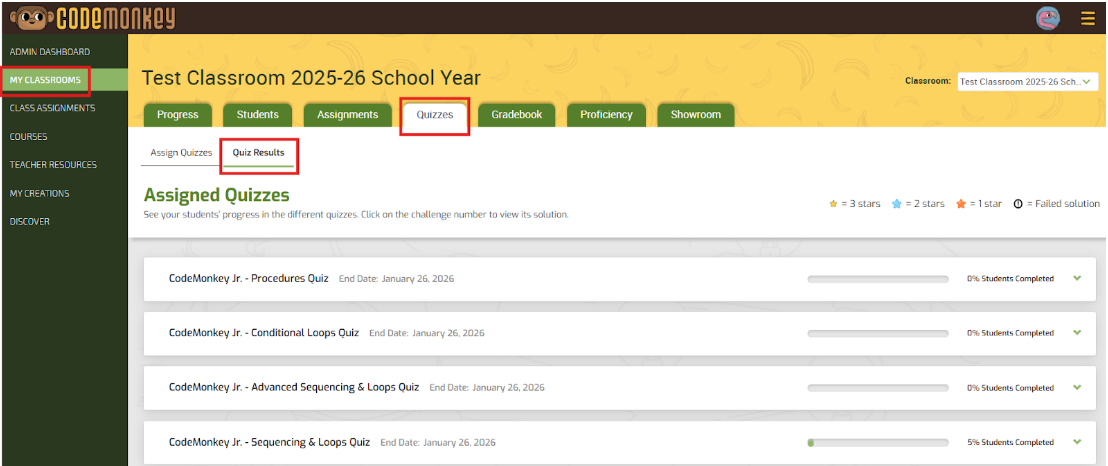
¡Hemos añadido cuestionarios a nuestra biblioteca dirigidos a nuestros prelectores con CodeMonkey Jr.! Hay un cuestionario para cada concepto de programación.
Manténgase al día sobre las últimas noticias Y MÁS INFORMACIÓN SOBRE CODIFICACIÓN PARA NIÑOS.
Usamos cookies en nuestro sitio web para brindarle la experiencia más relevante recordando sus preferencias y visitas. Al hacer clic en "Aceptar", acepta el uso de TODAS las cookies. Sin embargo, puede visitar la Configuración de cookies para proporcionar un consentimiento controlado.
Política de privacidad y cookies
Resumen de privacidad
Este sitio web utiliza cookies para mejorar su experiencia mientras navega por el sitio web. Fuera de estas cookies, las cookies que se clasifican como necesarias se almacenan en su navegador, ya que son esenciales para el funcionamiento de las funcionalidades básicas del sitio web. También utilizamos cookies de terceros que nos ayudan a analizar y comprender cómo utiliza este sitio web. Estas cookies se almacenarán en su navegador solo con su consentimiento. También tiene la opción de optar por no recibir estas cookies. Pero la exclusión voluntaria de algunas de estas cookies puede afectar su experiencia de navegación.
Las cookies necesarias son absolutamente esenciales para que el sitio web funcione correctamente. Esta categoría solo incluye cookies que garantizan funcionalidades básicas y características de seguridad del sitio web. Estas cookies no almacenan ninguna información personal.
Galleta
Tipo
Duración
Descripción
_codemonkey_session_rails_4
1
1 año
_Georgia
persistente
2 años
Esta cookie es instalada por Google Analytics. La cookie se utiliza para calcular los datos de visitantes, sesiones y campañas y realizar un seguimiento del uso del sitio para el informe de análisis del sitio. Las cookies almacenan información de forma anónima y asignan un número generado aleatoriamente para identificar visitantes únicos.
cookielawinfo-checkbox-publicidad
persistente
11 meses
La cookie se establece mediante el consentimiento de cookies del RGPD para registrar el consentimiento del usuario para las cookies en la categoría "Publicidad".
cookielawinfo-checkbox-analytics
persistente
11 meses
Estas cookies están establecidas por el complemento de WordPress de consentimiento de cookies de GDPR. La cookie se utiliza para recordar el consentimiento del usuario para las cookies en la categoría "Análisis".
cookielawinfo-checkbox-funcional
persistente
11 meses
cookielawinfo-checkbox-required
persistente
11 meses
Esta cookie está configurada por el complemento de consentimiento de cookies de GDPR. Las cookies se utilizan para almacenar el consentimiento del usuario para las cookies en la categoría "Necesarias".
cookielawinfo-checkbox-no necesario
0
11 meses
Esta cookie está configurada por el complemento de consentimiento de cookies de GDPR. Las cookies se utilizan para almacenar el consentimiento del usuario para las cookies en la categoría "No necesarias".
cookielawinfo-checkbox-otro
persistente
11 meses
cookielawinfo-checkbox-performance
persistente
11 meses
Esta cookie se utiliza para realizar un seguimiento de las cookies que el usuario ha aprobado para este sitio.
JSESSIONID
1
1 año
Utilizado por sitios escritos en JSP. Cookies de sesión de plataforma de propósito general que se utilizan para mantener el estado de los usuarios en las solicitudes de página.
view_cookie_policy
persistente
1 hora
La cookie está configurada por el complemento de consentimiento de cookies de GDPR y se utiliza para almacenar si el usuario ha dado su consentimiento o no para el uso de cookies. No almacena ningún dato personal.
XSRF-TOKEN
persistente
1 año
La cookie la establece la plataforma de creación de sitios web de Wix en el sitio web de Wix. La cookie se utiliza con fines de seguridad.
Las cookies que pueden no ser particularmente necesarias para que el sitio web funcione y se utilizan específicamente para recopilar datos personales del usuario a través de análisis, anuncios y otros contenidos integrados se denominan cookies no necesarias. Es obligatorio obtener el consentimiento del usuario antes de ejecutar estas cookies en su sitio web.
Galleta
Tipo
Duración
Descripción
rlas3
persistente
11 meses
La cookie la establece rlcdn.com. La cookie se utiliza para mostrar anuncios relevantes al visitante, así como para limitar el tiempo que el visitante ve una y también para medir la efectividad de la campaña.
UserMatchHistory
persistente
1 mes
Linkedin: se utiliza para rastrear a los visitantes en múltiples sitios web, con el fin de presentar anuncios relevantes según las preferencias del visitante.
Google Analytics establece esta cookie y se utiliza para distinguir usuarios y sesiones. La cookie se crea cuando se ejecuta la biblioteca JavaScript y no existen cookies __utma. La cookie se actualiza cada vez que se envían datos a Google Analytics.
__utmb
persistente
30 minutos
Google Analytics establece la cookie. La cookie se utiliza para determinar nuevas sesiones / visitas. La cookie se crea cuando se ejecuta la biblioteca JavaScript y no existen cookies __utma. La cookie se actualiza cada vez que se envían datos a Google Analytics.
__utmc
persistente
1 año
Google Analytics establece la cookie y se elimina cuando el usuario cierra el navegador. La cookie no es utilizada por ga.js. La cookie se utiliza para permitir la interoperabilidad con urchin.js, que es una versión anterior de Google Analytics y se utiliza junto con la cookie __utmb para determinar nuevas sesiones / visitas.
__utmt
persistente
10 minutos
Google Analytics establece la cookie y se utiliza para acelerar la tasa de solicitud.
__utmz
persistente
6 meses
Google Analytics establece esta cookie y se utiliza para almacenar la fuente de tráfico o la campaña a través de la cual el visitante llegó a su sitio.
_revólver
persistente
1 minuto
Google Universal Analytics instala estas cookies para acelerar la tasa de solicitud y limitar la recopilación de datos en sitios de alto tráfico.
YSC
1
1 año
Estas cookies son establecidas por Youtube y se utilizan para rastrear las vistas de videos incrustados.
Google Analytics utiliza esta cookie para comprender la interacción del usuario con el sitio web.
_gid
persistente
1 día
Esta cookie es instalada por Google Analytics. La cookie se utiliza para almacenar información sobre cómo los visitantes usan un sitio web y ayuda a crear un informe analítico de cómo está funcionando el sitio web. Los datos recopilados, incluido el número de visitantes, la fuente de donde provienen y las páginas, se muestran de forma anónima.
GPS
persistente
30 minutos
Esta cookie la establece Youtube y registra una identificación única para rastrear a los usuarios según su ubicación geográfica.
SEÑOR
persistente
5 meses
Esta cookie se utiliza para medir el uso del sitio web con fines analíticos.
MUIDB
1
1 año
MicroSoft utiliza esta cookie y recopila datos sobre los usuarios que visitan varios sitios web. Estos datos se utilizan para analizar la eficacia de los anuncios en sitios web.
Facebook establece esta cookie para entregar publicidad cuando están en Facebook o en una plataforma digital impulsada por publicidad de Facebook después de visitar este sitio web.
bscookie
1
2 años
Esta cookie es una cookie de identificación del navegador establecida por los botones de compartir vinculados y las etiquetas publicitarias.
fr
1
3 meses
Facebook configura la cookie para mostrar anuncios relevantes a los usuarios y medir y mejorar los anuncios. La cookie también rastrea el comportamiento del usuario en la web en sitios que tienen píxeles de Facebook o complementos sociales de Facebook.
IDE
1
2 años
Utilizado por Google DoubleClick y almacena información sobre cómo el usuario utiliza el sitio web y cualquier otro anuncio antes de visitar el sitio web. Se utiliza para presentar a los usuarios anuncios que son relevantes para ellos de acuerdo con el perfil del usuario.
MUID
persistente
1 año
Usado por Microsoft como identificador único. La cookie se establece mediante scripts integrados de Microsoft. El propósito de esta cookie es sincronizar la identificación en muchos dominios de Microsoft diferentes para permitir el seguimiento de usuarios.
pxrc
persistente
2 meses
El propósito de la cookie es identificar a un visitante para ofrecer publicidad relevante.
rlas3
persistente
11 meses
La cookie la establece rlcdn.com. La cookie se utiliza para mostrar anuncios relevantes al visitante, así como para limitar el tiempo que el visitante ve una y también para medir la efectividad de la campaña.
skimCSP
persistente
11 meses
SkimResources establece esta cookie. La cookie se utiliza para registrar datos sobre el visitante con el fin de optimizar la relevancia de las ventajas que se ofrecen a los usuarios.
TapAd_DID
persistente
2 meses
La cookie la coloca tapad.com. El propósito de la cookie es rastrear a los usuarios en todos los dispositivos para permitir publicidad dirigida
TapAd_TS
persistente
2 meses
Tapad.com establece la cookie. El propósito de la cookie es rastrear a los usuarios en todos los dispositivos para permitir publicidad dirigida.
TDCPM
persistente
1 año
El servicio CloudFare configura la cookie para almacenar una identificación única para identificar un dispositivo de usuarios recurrentes que luego se utiliza para publicidad dirigida.
TDID
persistente
1 año
El servicio CloudFare configura la cookie para almacenar una identificación única para identificar un dispositivo de usuarios recurrentes que luego se utiliza para publicidad dirigida.
test_cookie
persistente
15 minutos
Esta cookie la establece doubleclick.net. El propósito de la cookie es determinar si el navegador de los usuarios admite cookies.
VISITOR_INFO1_LIVE
1
5 meses
Youtube establece esta cookie. Se utiliza para rastrear la información de los videos de YouTube incrustados en un sitio web.
Esta cookie está configurada por linkedIn. El propósito de la cookie es habilitar las funcionalidades de LinkedIn en la página.
lang
persistente
1 año
Esta cookie se utiliza para almacenar las preferencias de idioma de un usuario para ofrecer contenido en ese idioma almacenado la próxima vez que el usuario visite el sitio web.
lidc
persistente
1 día
LinkedIn establece esta cookie y la utiliza para el enrutamiento.