Виталий — менеджер по цифровому маркетингу в CodeMonkey. Его степень магистра компьютерных наук в сочетании с опытом отца двух сыновей помогает ему создавать контент, ориентированный на обучение кодированию.
Категории блога
Отмеченная наградами программа по кодированию для детей
If there’s one word on everyone’s lips in the 2020s, it’s “algorithm.” These elusive strings of code dictate what we see on our social media, the products we see on the homepage of our favorite online shopping sites, and the types of movies and TV shows suggested when we log onto streaming services.
So, why would we be looking for algorithm exercises for kids?
Well, love or hate them, algorithms are here to stay, and they’re changing how we live. And while алгоритмы sometimes get a bad rap in the press, they’re actually entirely benign (until they’re not!).
This article is about algorithm exercises for kids — exploring what they are and why mastering them will give your child a distinct advantage.
Готовы? Поехали!
What is an algorithm?
It’s a great question because there’s a lot of confusion revolving around this very 2020s buzzword.
Essentially:
An algorithm is a set of step-by-step instructions, functions, or rules. And each step guides you closer toward completing a task or solving a problem.
However:
The word “algorithm” is actually nothing new — it was first used in the 9th century. Yes — the 9th century! That’s WAY before the first iPhone (if you can imagine such a time). So, algorithms aren’t just computer code.
Indeed, algorithms are everywhere: from the recipe books on our shelves to the way we solve a math equation; from how we do our laundry or make a phone call.
A laundry algorithm
Let’s think about the processes we might complete to clean dirty clothes — because they don’t jump into the machine and launder themselves (no matter what your kids might think!).
Indeed, before your clothes get cleaned, there are several functions to complete, such as:
Picking the clothes up off the floor
Placing the dirty clothes in a laundry basket. Then, when it comes to laundry day:
Dividing your whites from your colored clothes and separating the machine-wash garments from the hand-wash.
Placing the selected clothes in a wash basket to deliver them to the washing machine.
Putting the clothes in the machine.
Adding detergent and fabric softener.
Selecting an appropriate machine cycle, then switching the machine on.
Waiting for the cycle to complete, then emptying the clothes back into the wash basket.
Taking the clothes to the clothes drier. And waiting for them to dry.
Folding the clothes and returning them to your drawers.
Sticking to the rules
Each stage in this process is essential — if you miss one, the sequence might not work (or go wrong).
For example, you’ll end up with pink shirts if you don’t divide the whites from the colors. And if you put hand-wash-only clothes into the machine, they’ll fit Barbie better than your kids!
However:
We have a basic list of functions, but we must consider the complementary sub-steps of that primary sequence, such as ensuring the washing machine is plugged into the power socket (and the power switch is set to ON).
Otherwise, the whole sequence fails.
An algorithm in simple terms
So, algorithmic coding or programming is composing a list of rules a computer can understand and follow; telling it how to behave.
And once you have your rough list, it’s about ensuring you don’t forget those all-important sub-steps that might prevent the computer from executing the completed task.
How to explain algorithms to kids
It’s probably relatively clear what an algorithm is by now — it’s just a list of instructions. So, get your child to devise instructions for completing a task that offers them a reward, like how to make a slice of peanut butter toast.
They might say:
Put a slice of bread into the toaster (or under the grill).
Open a jar of peanut butter and spread it on the toasted bread.
Take a bite.
And enjoy!
Now, those instructions are probably enough for most humans who have had peanut butter toast before because they know what to expect as the outcome.
But a computer needs greater specificity.
For example, the computer doesn’t know:
Where to find the bread
Where to find the jar of peanut butter
How much bread to use
How thickly sliced the bread should be (if the loaf isn’t pre-sliced)
How to spread peanut butter: what tool do you use?
How much peanut butter to spread (and how thickly)
Whether to use a plate (and what type (and size) of plate).
Then, you might need to explain which part of the peanut butter toast it should bite into — how much is a bite, and how to chew.
So:
Once you have your basic list of instructions, it’s about understanding the additional information a computer needs to complete the operations. And this is the fun part for kids because they love troubleshooting and finding solutions to problems.
What are the components of an algorithm (and how do you explain them to kids?)
Computer algorithms are often written in languages similar to English but might have different syntaxes (how we arrange the words grammatically).
Algorithms commonly instruct computers to:
Carry out a sequence = aka Последовательность действий
Make a choice = aka Selection
Repeat a process according to additional rules = Iteration (or looping)
We’ve already talked about sequencing in its simplest terms. So, we’ll explore Selection:
Selection
You can author selection criteria into an algorithm to help the computer make a decision based on specific rules. You can instruct the computer to follow or repeat specific steps or to completely ignore them based on the rules you set out.
For example, the algorithm script for buying a bus ticket might pose a question such as:
How old are you?
If you’re over 65, you’ll pay a different fee or get a free ticket.
Otherwise, you’ll pay the full fare.
These decisions are dictated by easily understood commands, such as ЕСЛИ, THEN, а также ЕЩЕ.
In other words:
IF you’re over 65 years old, THEN you get a free ticket — ELSE pay full fare.
So, with these simple selection criteria, your kids can build those sub-rules that fill in the gaps.
Some algorithm exercises for kids
Here are some group algorithm games that your kids will love:
Target Practice!
Start with a simple image that one child can describe to the rest of the group. I recommend sticking with simple, easily defined geometric shapes, like circles, squares, triangles, etc. Incorporate a range of colors in the image if you can.
You could use a picture of a target like this:
If that looks too complicated, feel free to choose a simpler image — but this is a good challenge for 4-6-year-olds.
The game works like this:
Give one child in the group a piece of paper bearing your chosen image. We’ll call them Child 1.
Hand out pieces of paper and colored pens to the other children in the group. Don’t let the other kids see Child 1’s piece of paper.
Now, ask Child 1 to describe the image to guide the rest of the group to draw it. Encourage them to use numbers, shape names, and colors to describe the image.
Then, everyone shares the image they’ve drawn, discussing how each is similar or different and why that might be.
HOW DOES THIS RELATE TO ALGORITHMS?
The instructions Child A gives to the group are the algorithm. And how similar the other children’s images look relies on the precision and accuracy of their given instructions.
It sounds simple, but children quickly learn how to adapt their language. And this is an excellent inclusive activity for neurodiverse learners and those with a very logical brain.
However, it also depends on the comprehension abilities of the children taking the instructions — representing how different machines might use a different language or understand instructions in slightly different ways.
LEARNING A COMMON LANGUAGE
This is all about adapting language to suit the receiver. For example, university students might describe the first stage as:
Draw three concentric green circles, each one smaller than the previous.
But a child probably doesn’t know the word “concentric,” and they might not be able to describe the function so succinctly. They might say:
Draw a big green circle.
Inside that, draw a smaller green circle.
Inside the smaller green circle, draw another smaller green circle.
So, writing an algorithm is partly:
Understanding the objective, and
Learning the computer’s vernacular (i.e., the language it uses to translate the instruction into an action).
Here’s another algorithm exercise for your kids to try:
Guide the Monkey
This game starts with an obstacle course you could easily set up in your living room or the classroom.
Set up a range of non-hazardous obstacles, such as socks, chairs, or pieces of paper around the room, and get the children into pairs.
Then, blindfold one of the kids (they’re the Monkey) and ask the other (the Instructor) to guide them around the obstacle course, avoiding contact with the obstacles.
You could even place a grid over the floor that dictates how many steps the Monkey needs to make to navigate around, up, and over the obstacle course. And the Instructor can use algorithm commands such as STEP forward/backward/left/right while determining the number of steps.
HOW DOES THIS RELATE TO ALGORITHMS?
This is a great way to teach basic animation algorithms that they can apply to simple computer game coding platforms, such as CodeMonkey младший.
Guide the Monkey shows children how to develop instructional language, which comes in super-handy when they come to write algorithms. It also helps children learn the importance of sequencing and strategizing — how might they streamline their process for faster results?
You could even limit the words they’re allowed to use — perhaps just using the words:
Forward
Back
Right
Left
Jump
Steps
And numbers
Paper airplanes
All kids love making paper airplanes, right? Well, now they can turn their origami creativity into algorithmic games!
Get each child to make a paper airplane. Then, ask them to unfold it and write the instructions for making their airplane from scratch. Encourage them to be creative, adding their own flourishes, like drawn symbols and extra folds for more streamlined planes.
Get each child to pass their instructions around the group, asking other kids to make their invention from their algorithm.
You could even challenge them to mix the order of instructions up a bit or miss a step. What happens then?
Egg Carton Lava Game!
Keep things analog with the egg carton lava game. This is an excellent game for playing in pairs.
All you need is:
A large egg carton for 30 eggs. Tape several cartons together to increase the difficulty.
Screwed-up pieces of red paper (the lava)
A green plastic egg
A blue plastic egg
A playing piece, such as an action figure.
Alternatively, you could substitute the plastic eggs for Kinder Surprise Eggs!
Here’s how to set it up:
Place your green egg in one of the slots around the edge of the egg carton.
Place your blue egg in a slot away from the green egg.
Screw up four or five pieces of red paper into balls, and place them in random slots around the egg carton. This is the lava.
Now, encourage one child in the pair to write down the steps the action figure will take to get first to the green egg and then to the blue. Then, ask the other child to follow those steps.
If the instructions work, they win the Kinder egg — if they don’t, they’ll need to streamline the instructions together.
If the action figure ever lands on a lava rock, the game is over, and they’ll need to start again; reassessing their algorithm.
HOW DOES THIS RELATE TO ALGORITHMS?
Ultimately, this activity encourages kids to think like computers and plan their moves in advance. To make the game harder, use a larger grid, and perhaps get older kids to collect as many eggs as possible for different prizes.
When their action figure lands on a lava rock, they need to go back to the planning stage to “debug” their code, which real-life programmers need to do when a piece of code fails to work.
This game offers rewards for accuracy, encouraging children to develop logical thinking and spatial awareness.
Algorithm exercises for kids!
I hope you’ve enjoyed exploring these simple algorithm exercises for kids. Ultimately, consider any fun task that requires a sequential process for successful completion and turn it into an algorithm game, such as:
Making and baking a cake (it will nearly always go wrong if you miss a step)
Tying your shoelaces
Making a cup of coffee or tea
Cleaning the windows
Setting the TV to record a program
Making a sandwich
Climbing a tree
Tidying their bedroom
In fact, if you’re really clever about it, you’ll get a very tidy house and your lunch made for you. All in the name of fun and learning!
Сегодня наш мир переживает стремительные технологические изменения. Это поднимает очень важный вопрос для педагогов и руководителей школ: как мы можем подготовить наше следующее поколение ко всем технологическим сюрпризам, которые сулит будущее?
Сегодня наш мир переживает стремительные технологические изменения. Это поднимает очень важный вопрос для педагогов и руководителей школ: как мы можем подготовить наше следующее поколение ко всем технологическим сюрпризам, которые сулит будущее?
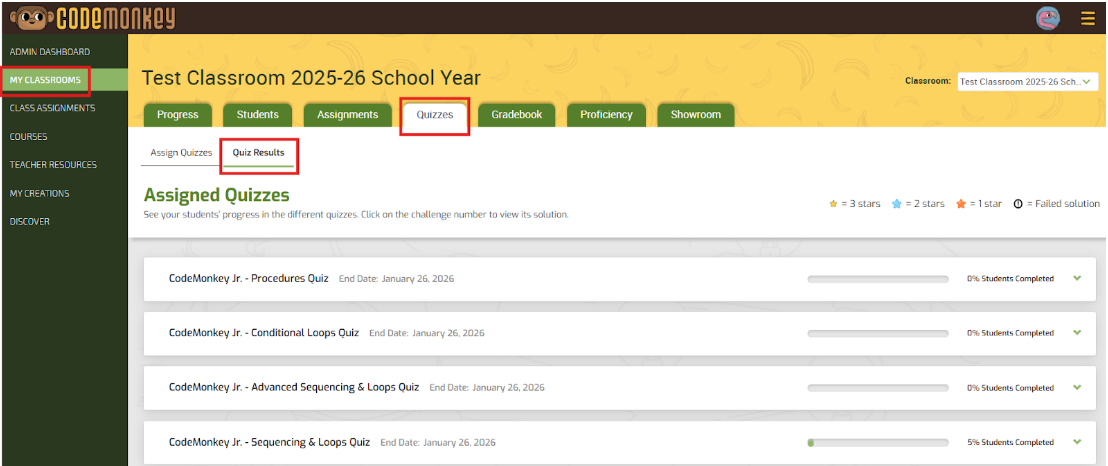
Мы добавили в нашу библиотеку викторины, разработанные специально для детей, которые еще не умеют читать, с помощью CodeMonkey Jr.! Викторина посвящена каждой теме программирования.
Будьте в курсе последних новостей И УЗНАЙТЕ БОЛЬШЕ О КОДИРОВКЕ ДЛЯ ДЕТЕЙ.
Мы используем файлы cookie на нашем веб-сайте, чтобы предоставить вам наиболее релевантный опыт, запоминая ваши предпочтения и повторные посещения. Нажимая «Принять», вы соглашаетесь на использование ВСЕХ файлов cookie. Однако вы можете посетить Настройки файлов cookie, чтобы предоставить контролируемое согласие.
Политика конфиденциальности и использования файлов cookie
Обзор конфиденциальности
Этот веб-сайт использует файлы cookie для улучшения вашего опыта при навигации по веб-сайту. Из этих файлов cookie файлы cookie, которые классифицируются как необходимые, хранятся в вашем браузере, поскольку они необходимы для работы основных функций веб-сайта. Мы также используем сторонние файлы cookie, которые помогают нам анализировать и понимать, как вы используете этот веб-сайт. Эти файлы cookie будут храниться в вашем браузере только с вашего согласия. У вас также есть возможность отказаться от этих файлов cookie. Но отказ от некоторых из этих файлов cookie может повлиять на ваш опыт просмотра.
Необходимые файлы cookie абсолютно необходимы для правильной работы веб-сайта. В эту категорию входят только файлы cookie, которые обеспечивают базовые функции и функции безопасности веб-сайта. Эти файлы cookie не хранят никакой личной информации.
Cookie-файлы
Тип
Продолжительность
Описание
_codemonkey_session_rails_4
1
1 год
_ga
настойчивый
2 года
Этот файл cookie устанавливается Google Analytics. Файл cookie используется для расчета данных о посетителях, сеансах и кампании, а также для отслеживания использования сайта в аналитическом отчете. Файлы cookie хранят информацию анонимно и присваивают случайно сгенерированный номер для идентификации уникальных посетителей.
Cookielawinfo-checkbox-реклама
настойчивый
11 месяцев
Файл cookie устанавливается в соответствии с GDPR, чтобы записать согласие пользователя на использование файлов cookie в категории «Реклама».
Cookielawinfo-checkbox-analytics
настойчивый
11 месяцев
Эти файлы cookie устанавливаются плагином GDPR Cookie Consent WordPress. Файл cookie используется для запоминания согласия пользователя на использование файлов cookie в категории «Аналитика».
Cookielawinfo-checkbox-функциональный
настойчивый
11 месяцев
Cookielawinfo-checkbox-необходимо
настойчивый
11 месяцев
Этот файл cookie устанавливается подключаемым модулем GDPR Cookie Consent. Файлы cookie используются для хранения согласия пользователя на файлы cookie в категории «Необходимые».
Cookielawinfo-checkbox-не обязательно
0
11 месяцев
Этот файл cookie устанавливается подключаемым модулем GDPR Cookie Consent. Файлы cookie используются для хранения согласия пользователя на файлы cookie в категории «Необязательно».
Cookielawinfo-checkbox-другое
настойчивый
11 месяцев
Cookielawinfo-checkbox-performance
настойчивый
11 месяцев
Этот файл cookie используется для отслеживания того, какие файлы cookie пользователь одобрил для этого сайта.
JSESSIONID
1
1 год
Используется сайтами, написанными на JSP. Файлы cookie сеанса платформы общего назначения, которые используются для поддержания состояния пользователей при запросах страниц.
View_cookie_policy
настойчивый
1 час
Файл cookie устанавливается подключаемым модулем GDPR Cookie Consent и используется для хранения информации о том, согласился ли пользователь на использование файлов cookie. Он не хранит никаких личных данных.
XSRF-ТОКЕН
настойчивый
1 год
Файл cookie устанавливается платформой для создания веб-сайтов Wix на веб-сайте Wix. Файл cookie используется в целях безопасности.
Любые файлы cookie, которые могут не быть особенно необходимыми для работы веб-сайта и используются специально для сбора личных данных пользователей с помощью аналитики, рекламы и другого встроенного содержимого, называются ненужными файлами cookie. Перед запуском этих файлов cookie на вашем веб-сайте необходимо получить согласие пользователя.
Cookie-файлы
Тип
Продолжительность
Описание
rlas3
настойчивый
11 месяцев
Файл cookie устанавливается rlcdn.com. Файл cookie используется для показа посетителю релевантной рекламы, а также для ограничения времени, в течение которого посетитель видит ее, а также для измерения эффективности кампании.
UserMatchHistory
настойчивый
1 месяц
Linkedin - используется для отслеживания посетителей на нескольких веб-сайтах с целью представления релевантной рекламы на основе предпочтений посетителя.
Этот файл cookie устанавливается Google Analytics и используется для различения пользователей и сеансов. Файл cookie создается при выполнении библиотеки JavaScript и отсутствии существующих файлов cookie __utma. Файл cookie обновляется каждый раз, когда данные отправляются в Google Analytics.
__utmb
настойчивый
30 минут
Файл cookie устанавливается Google Analytics. Файл cookie используется для определения новых сеансов / посещений. Файл cookie создается при выполнении библиотеки JavaScript и отсутствии существующих файлов cookie __utma. Файл cookie обновляется каждый раз, когда данные отправляются в Google Analytics.
__utmc
настойчивый
1 год
Файл cookie устанавливается Google Analytics и удаляется, когда пользователь закрывает браузер. Файл cookie не используется ga.js. Файл cookie используется для обеспечения взаимодействия с urchin.js, который представляет собой более старую версию Google Analytics, и используется вместе с файлом cookie __utmb для определения новых сеансов / посещений.
__utmt
настойчивый
10 минут
Файл cookie устанавливается Google Analytics и используется для регулирования частоты запросов.
__utmz
настойчивый
6 месяцев
Этот файл cookie устанавливается Google Analytics и используется для хранения источника трафика или кампании, с помощью которой посетитель перешел на ваш сайт.
_gat
настойчивый
1 минута
Эти файлы cookie устанавливаются Google Universal Analytics, чтобы ограничить частоту запросов и ограничить сбор данных на сайтах с высокой посещаемостью.
YSC
1
1 год
Эти файлы cookie устанавливаются Youtube и используются для отслеживания просмотров встроенных видео.
Этот файл cookie используется Google Analytics для понимания взаимодействия пользователя с веб-сайтом.
_gid
настойчивый
1 день
Этот файл cookie устанавливается Google Analytics. Файл cookie используется для хранения информации о том, как посетители используют веб-сайт, и помогает в создании аналитического отчета о том, как работает веб-сайт. Собранные данные, включая количество посетителей, источник, откуда они пришли, и просмотренные страницы в анонимной форме.
GPS
настойчивый
30 минут
Этот файл cookie устанавливается Youtube и регистрирует уникальный идентификатор для отслеживания пользователей в зависимости от их географического положения.
MR
настойчивый
5 месяцев
Этот файл cookie используется для измерения использования веб-сайта в аналитических целях.
MUIDB
1
1 год
Этот файл cookie используется MicroSoft и собирает данные о пользователях, посещающих несколько веб-сайтов. Эти данные используются для анализа эффективности рекламы на веб-сайтах.
Этот файл cookie устанавливается Facebook для показа рекламы, когда они находятся на Facebook или на цифровой платформе, основанной на рекламе Facebook после посещения этого веб-сайта.
bscookie
1
2 года
Этот файл cookie представляет собой файл cookie идентификатора браузера, установленный кнопками Linked share и рекламными тегами.
fr
1
3 месяца
Файл cookie устанавливается Facebook, чтобы показывать пользователям релевантную рекламу, а также оценивать и улучшать рекламу. Файл cookie также отслеживает поведение пользователя в Интернете на сайтах, на которых есть пиксель Facebook или социальный плагин Facebook.
IDE
1
2 года
Используется Google DoubleClick и хранит информацию о том, как пользователь использует веб-сайт, и любую другую рекламу перед посещением веб-сайта. Это используется для показа пользователям релевантной для них рекламы в соответствии с профилем пользователя.
MUID
настойчивый
1 год
Используется Microsoft как уникальный идентификатор. Файл cookie устанавливается встроенными скриптами Microsoft. Целью этого файла cookie является синхронизация идентификатора во многих различных доменах Microsoft для обеспечения возможности отслеживания пользователей.
pxrc
настойчивый
2 месяца
Целью файлов cookie является идентификация посетителя для показа соответствующей рекламы.
rlas3
настойчивый
11 месяцев
Файл cookie устанавливается rlcdn.com. Файл cookie используется для показа посетителю релевантной рекламы, а также для ограничения времени, в течение которого посетитель видит ее, а также для измерения эффективности кампании.
skimCSP
настойчивый
11 месяцев
Этот файл cookie устанавливается SkimResources. Файл cookie используется для записи данных о посетителе, чтобы оптимизировать релевантность рекомендаций, предоставляемых пользователям.
TapAd_DID
настойчивый
2 месяца
Файл cookie устанавливается сайтом tapad.com. Цель файлов cookie - отслеживать пользователей на разных устройствах для включения таргетированной рекламы.
TapAd_TS
настойчивый
2 месяца
Файл cookie устанавливается Tapad.com. Целью файлов cookie является отслеживание пользователей на разных устройствах для включения таргетированной рекламы.
TDCPM
настойчивый
1 год
Файл cookie устанавливается службой CloudFare для хранения уникального идентификатора устройства возвращающегося пользователя, который затем используется для целевой рекламы.
TDID
настойчивый
1 год
Файл cookie устанавливается службой CloudFare для хранения уникального идентификатора устройства возвращающегося пользователя, который затем используется для целевой рекламы.
test_cookie
настойчивый
15 минут
Этот файл cookie устанавливается doubleclick.net. Цель файлов cookie - определить, поддерживает ли браузер пользователя файлы cookie.
VISITOR_INFO1_LIVE
1
5 месяцев
Этот файл cookie установлен Youtube. Используется для отслеживания информации о встроенных видео YouTube на веб-сайте.
Этот файл cookie устанавливается LinkedIn. Целью файлов cookie является включение функций LinkedIn на странице.
язык
настойчивый
1 год
Этот файл cookie используется для хранения языковых предпочтений пользователя для предоставления контента на этом сохраненном языке при следующем посещении пользователем веб-сайта.
lidc
настойчивый
1 день
Этот файл cookie устанавливается LinkedIn и используется для маршрутизации.